Product & Supplier
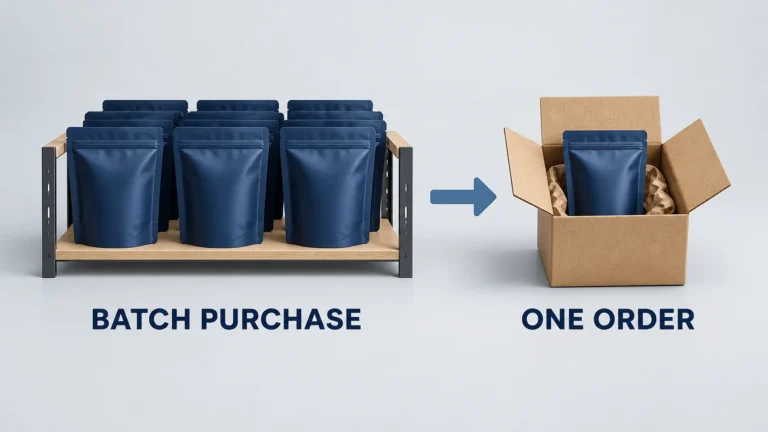
Dropshipping MOQ: Separate Customer Orders from Purchase Commitments
Understand dropshipping MOQ, single-order fulfillment, packaging minimums and upfront stock costs. Compare a smaller order with a bulk commitment.

Understand dropshipping MOQ, single-order fulfillment, packaging minimums and upfront stock costs. Compare a smaller order with a bulk commitment.
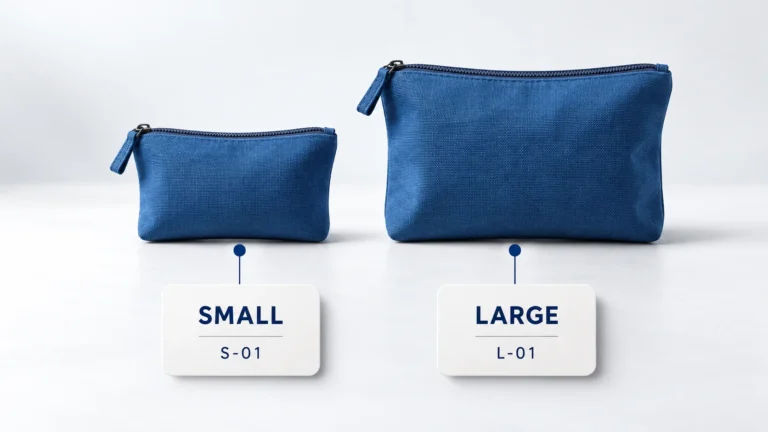
Request the right dropshipping supplier data: variant IDs, product and parcel details, stock updates, prices and order mapping before importing a catalog.
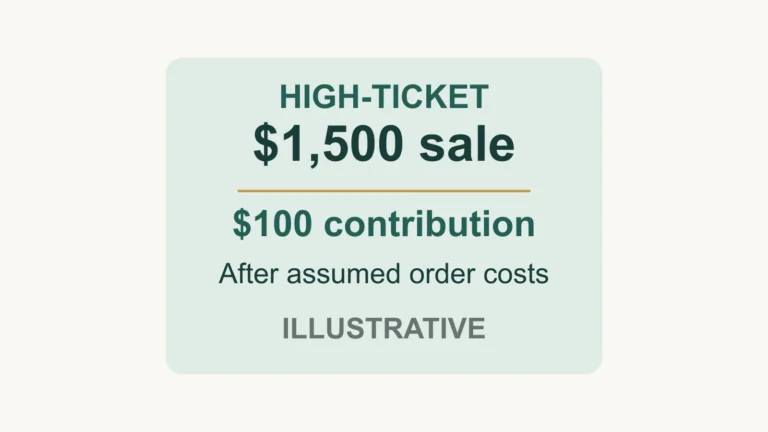
Evaluate high-ticket dropshipping products, supplier terms, acquisition costs and cash needs. See a worked margin example plus delivery and returns checks.
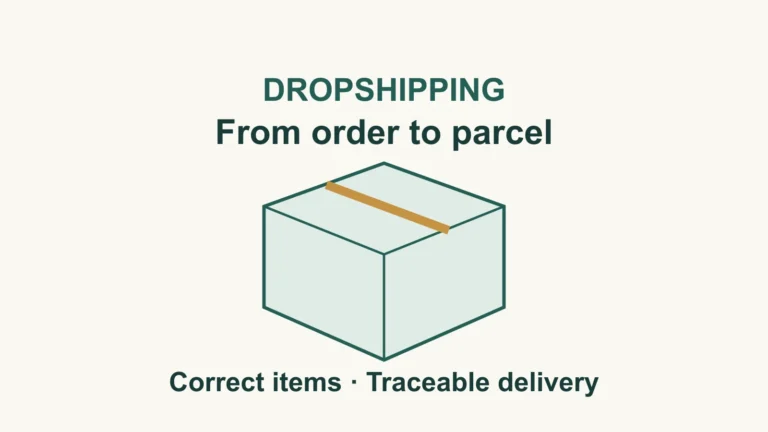
Follow a dropshipping order through stock acceptance, picking, packing, carrier handoff, tracking and returns. Compare fulfillment costs and test the service.
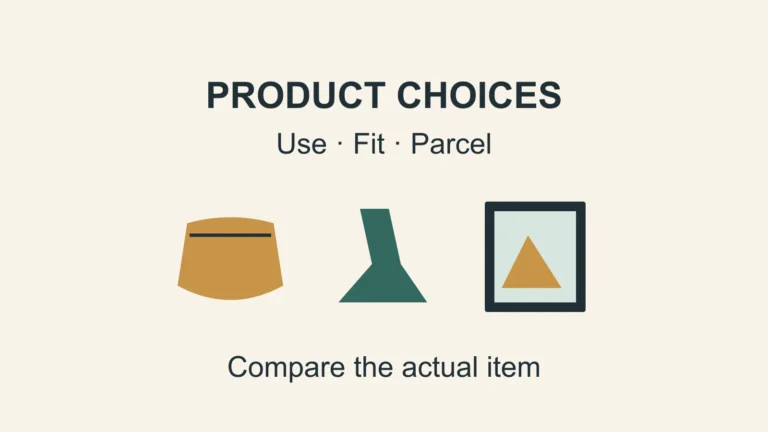
Compare concrete dropshipping product ideas, from pouches and phone stands to apparel and wall art, with shipping, fit, return and cost considerations.
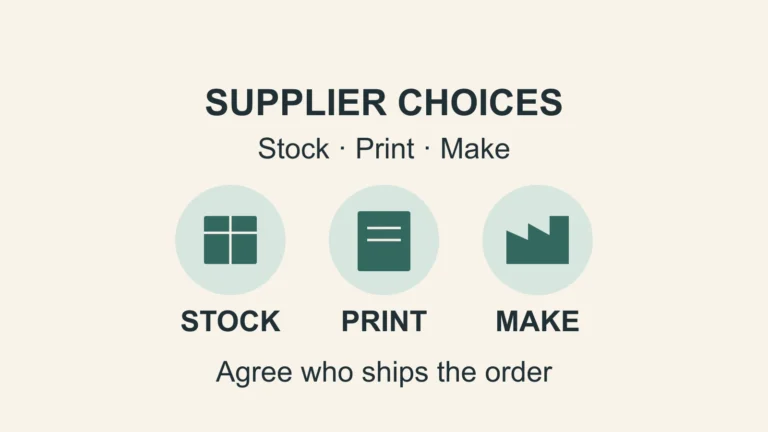
Compare dropshipping supplier channels, including Shopify Collective, directories, marketplaces and print on demand, with costs and practical limits.
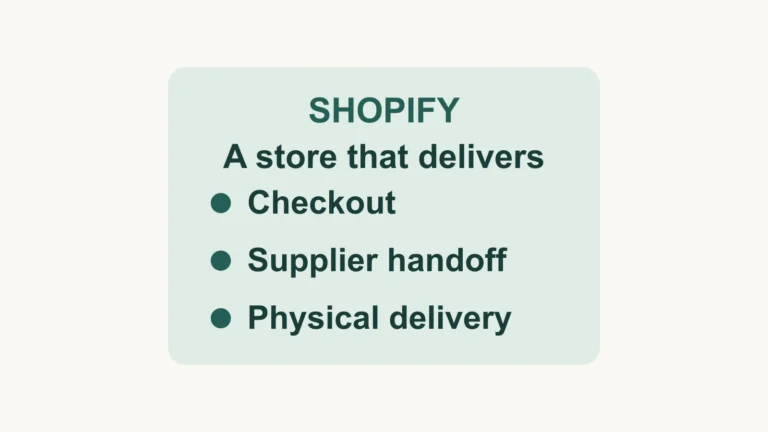
Build a Shopify dropshipping store, connect suppliers, configure payments and shipping, and test checkout, order handoff and real delivery before launch.
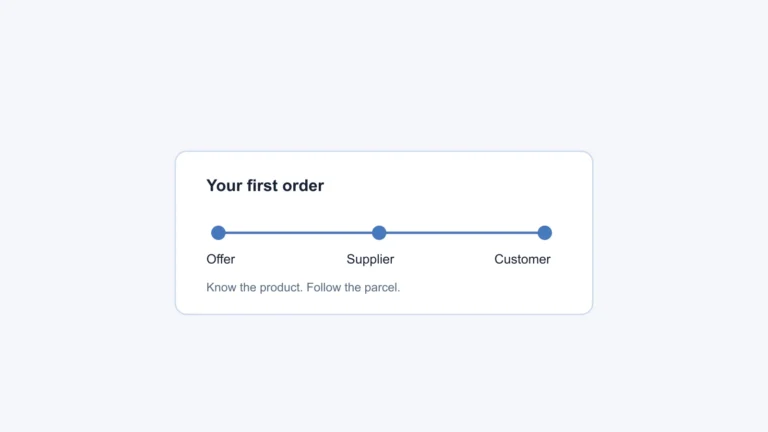
Learn dropshipping basics, choose a focused offer, budget for supplier payments and rehearse checkout, shipping and support before your first launch.
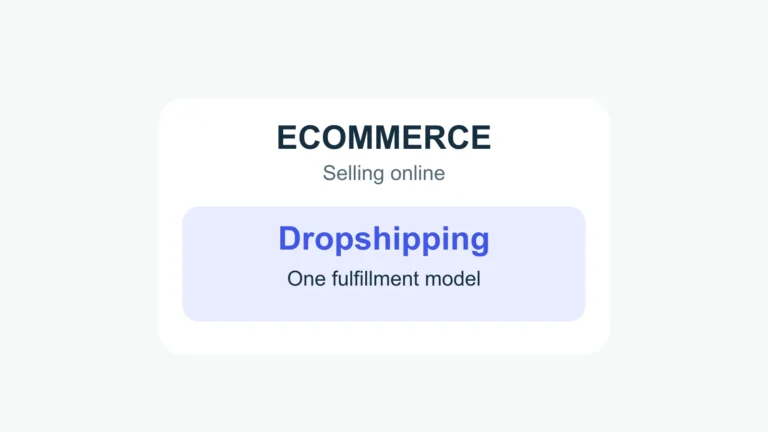
Dropshipping is part of ecommerce. Compare supplier-direct shipping, stocked inventory, 3PL fulfillment, cash commitment, control, costs, and hybrid stores.
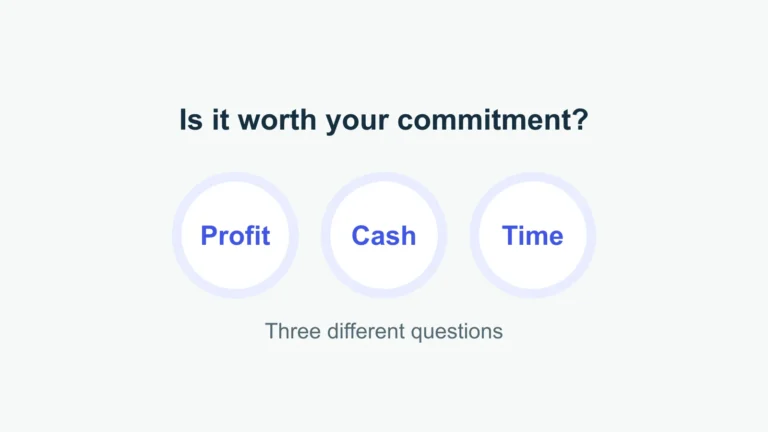
Decide whether dropshipping is worth your time and money with transparent profit calculations, acquisition sensitivity, cash requirements, and a bounded test.
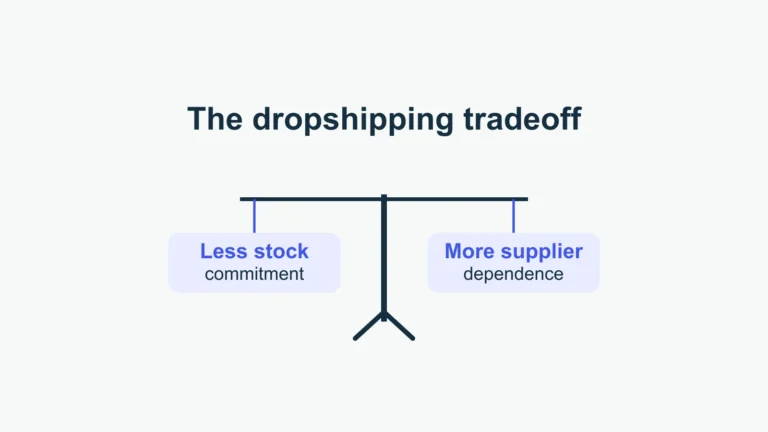
Compare dropshipping benefits and drawbacks: inventory commitment, margins, supplier control, delivery, branding, and the customer work your store still owns.
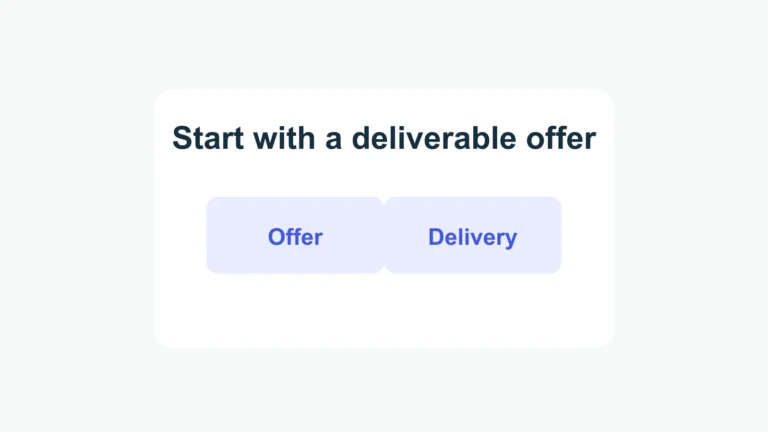
Start a dropshipping business with a clear offer, verified supplier, workable pricing, tested checkout, and a plan for delivery, customers, and refunds.