Damaged Items in Dropshipping: Evidence, Customer Remedy and Supplier Recovery
Handle damaged dropshipping items with useful evidence, a clear customer remedy, separate supplier claims, and controls that prevent repeat damage.
Insights / All Articles
Practical articles on finding suppliers, checking product quality, fulfilling orders, and understanding what each sale costs. Explore the latest guidance or choose a topic to work through your next operating decision.

Handle damaged dropshipping items with useful evidence, a clear customer remedy, separate supplier claims, and controls that prevent repeat damage.

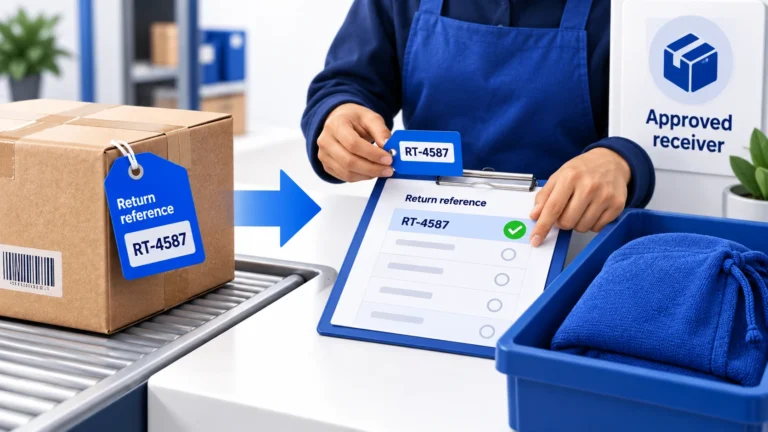
Choose a workable dropshipping return address, confirm receiver approval, compare costs, and track returned goods without confusing receipt with refund.

Plan dropshipping samples, check variants and delivery, document failures, and approve an identified reference without overstating what one sample proves.

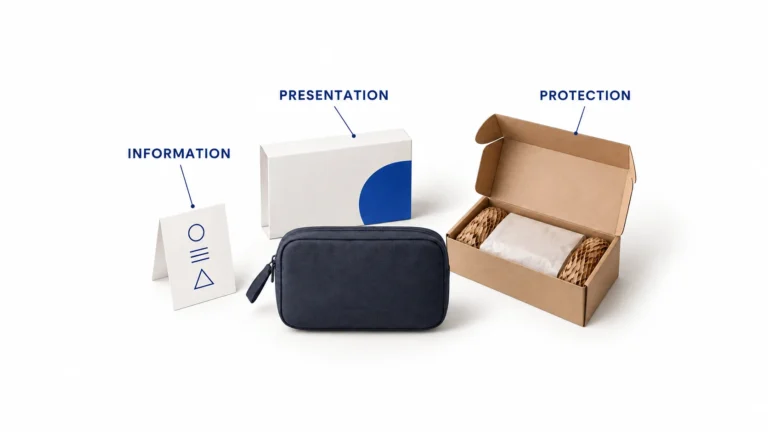
Choose custom dropshipping packaging, approve samples, compare minimums and costs, and control packaging stock, repeat orders and substitutions.

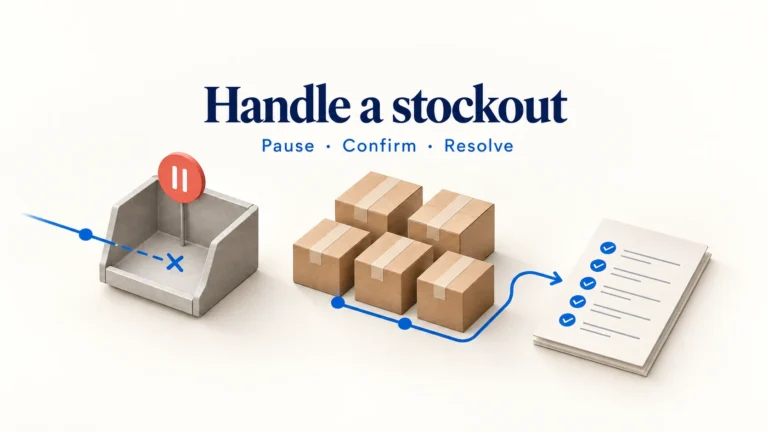
Handle a dropshipping stockout: verify supplier allocation, resolve paid orders, correct product availability and check the store before reopening sales.

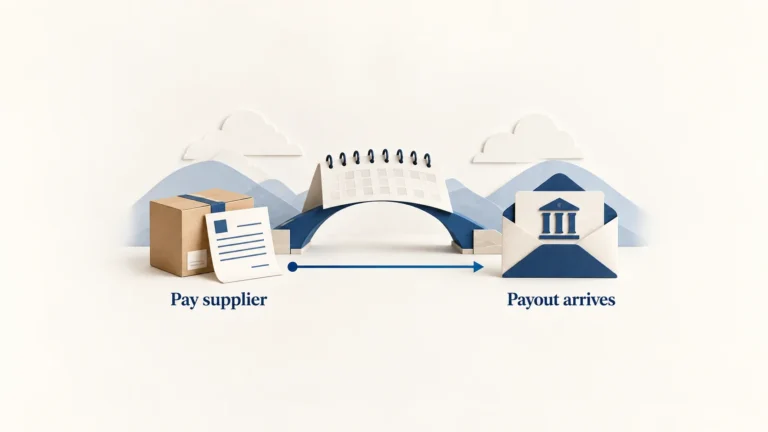
Plan dropshipping cash flow by date. Separate pending payments from usable cash, fund supplier bills, and test payout delays, refunds and growth before spending.

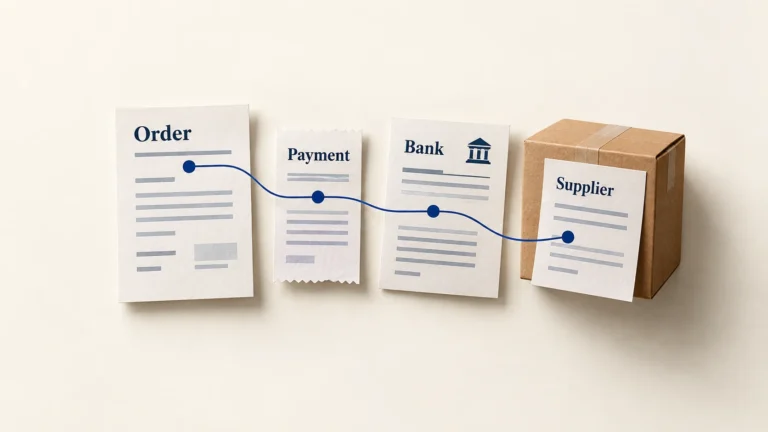
Reconcile dropshipping orders, processor activity, bank deposits and supplier invoices. Work through fees, refunds, tax lines and an explained closing balance.

Test a dropshipping product with a bounded offer, reliable purchase tracking, affordable exposure, and completed-order evidence before increasing commitment.

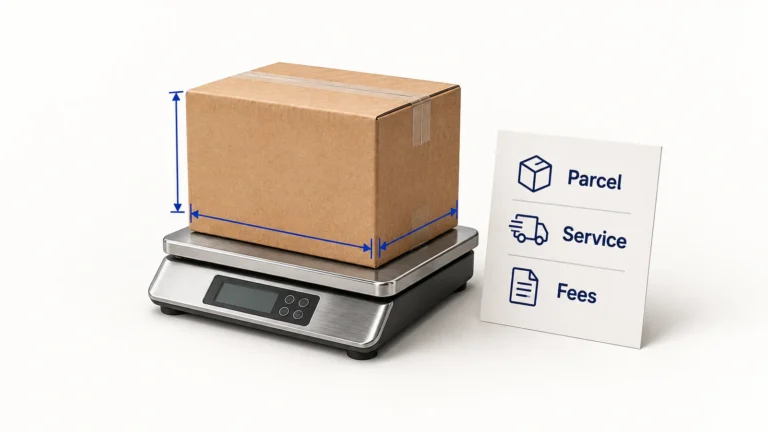
Calculate dropshipping shipping costs from packed dimensions, billed weight and fees. Compare a worked parcel quote, import charges and free shipping.

Reduce dropshipping delivery delays by checking stock, preparation, pickup, customs and transit. Compare changes with a clear order-cohort example.

Build a dropshipping shipping policy covering processing, delivery, charges, tracking and delays, with adaptable clauses and US/EU distinctions.

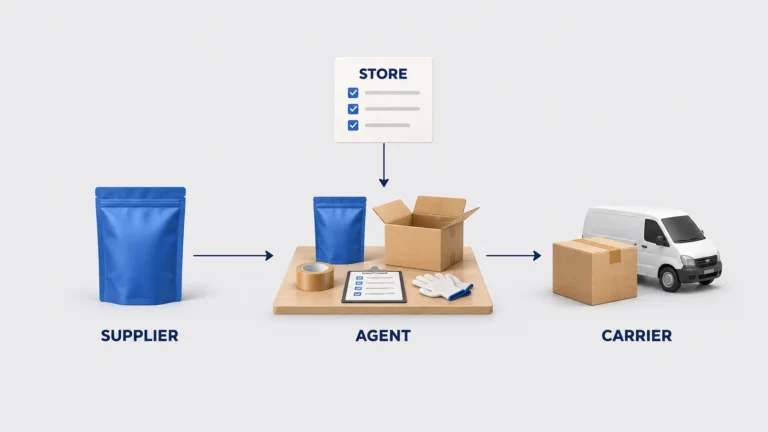
See what a dropshipping agent does across sourcing, checks and fulfillment, how fees work, and which approvals and customer responsibilities stay with you.
Operating model · Aug 12, 2026
Understand the fulfillment method, the value it can create, the control it reduces, and the customer-facing responsibilities the store keeps.
AI coordination · Aug 12, 2026
See how structured product, supplier, quality, order, packing, shipping, and exception records can support China-side coordination without replacing commercial approval.
Supply chain · Aug 12, 2026
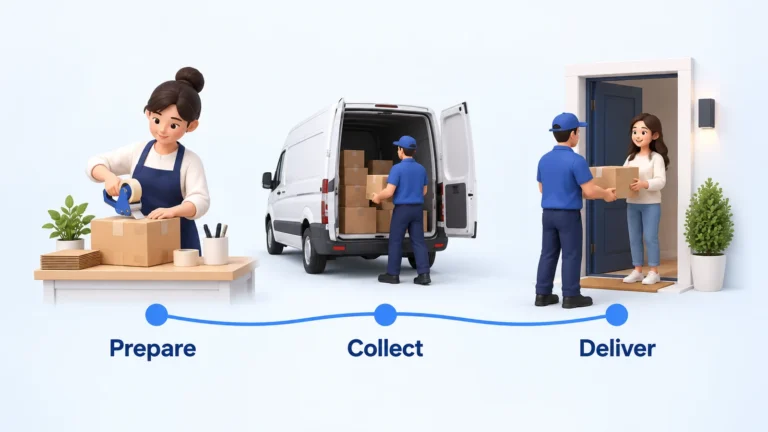
Follow one order from offer and usable order data through supplier preparation, carrier handoff, tracking, delivery, support, return, and recovery.
Unit economics · Aug 12, 2026
Assign product, preparation, delivery, platform, acquisition, support, refund, replacement, return, and expected loss exposure to the same order.
Risk and recovery · Aug 12, 2026
Connect supplier, product, order, packing, shipping, customer, and financial failures to visible signals, controls, evidence, owners, and fallbacks.
Partner selection · Aug 12, 2026
Evaluate the exact coordination work required, the records that must return, the decisions the agent may prepare, and the authority the store retains.
Brand operations · Aug 12, 2026
Sequence brand investment after product approval, supplier readiness, viable economics, repeatable QC, controlled packaging, delivery, and support expectations.
Role comparison · Aug 12, 2026
Compare product creation, China-side coordination, fulfillment, inventory control, destination handling, and recovery ownership across four operating paths.