Dropshipping knowledge hub

The dropshipping knowledge map for every operating decision.

This Hub is the non-linear topic map behind the AIDrop Agent content system. Enter through the product, supplier, quality, fulfillment, platform, economics, or growth layer that owns the current question, then move to the focused guide, service, or insight that can answer it.

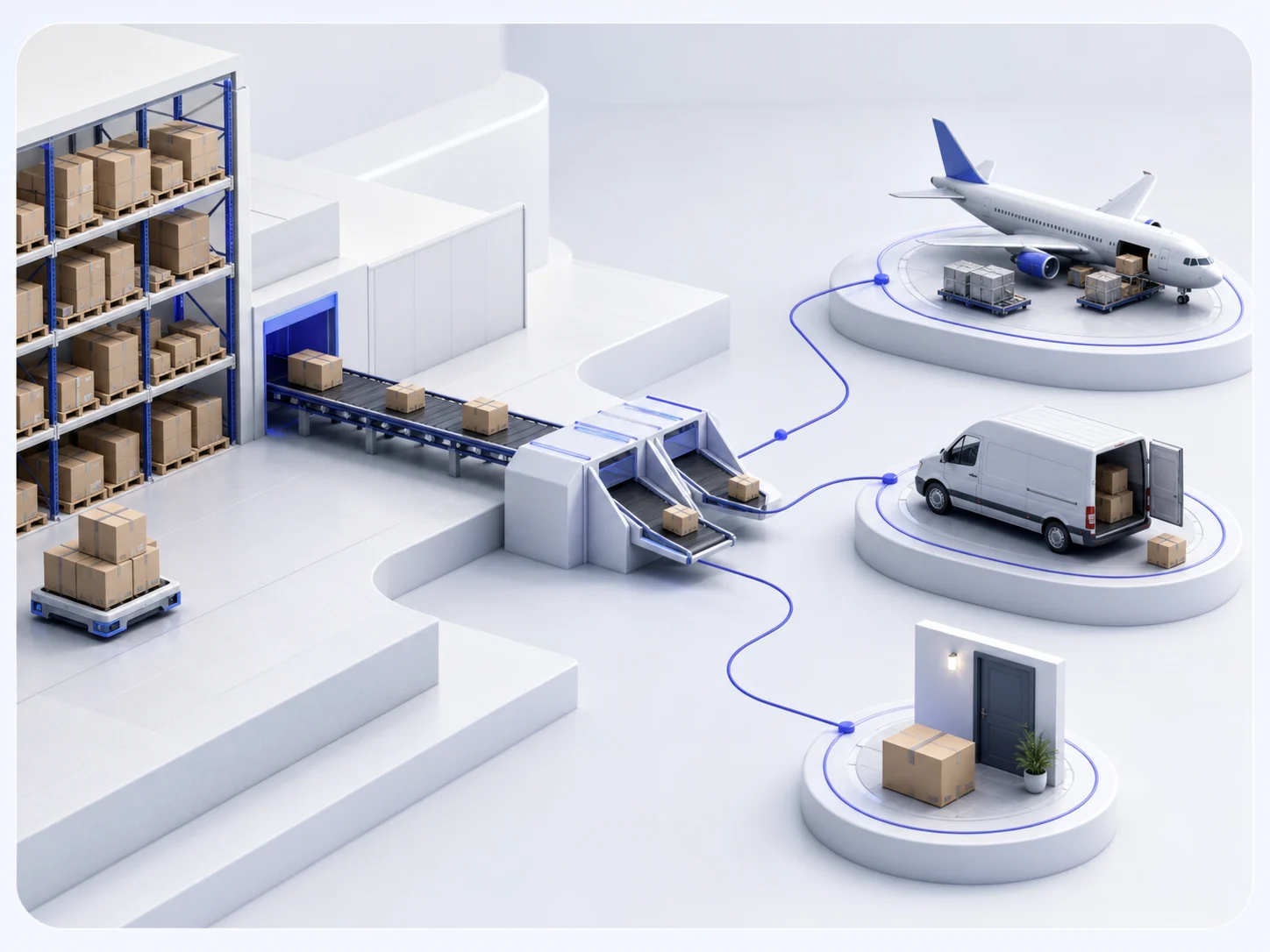
Dropshipping workflow from product selection and quality control to packaging, international shipping, and delivery

Illustrative operating map from product selection and quality control through packing, international shipping, and delivery.

How to use the map

Start with the decision, not the tool.

The Hub is an entry system. Choose the layer where evidence, ownership, or the customer promise breaks down, then follow its focused routes.

01

Approved truth

Keep requirement, supplier, sample, QC, packaging, and release decisions connected.

02

Usable movement

Connect order fields, inventory, preparation, shipping, status, and exception handling.

03

Visible exposure

Model contribution, risk, recovery workload, inventory commitment, and growth boundaries.

AI-assisted dropshipping sourcing, quality control, warehousing, and delivery workflow

The operating model links the customer promise to the physical product and the records that move with it.

The system behind the storefront

A knowledge map is not a start-to-finish course.

The Complete Dropshipping Guide teaches the operating sequence. This Hub organizes the same knowledge by topic and decision, so a reader with an active product, order, platform, delivery, or economics problem can enter directly at the relevant cluster without repeating the entire course.

Choose the missing owner first. Tools and partners should follow the work that needs to become visible.

Choose the entry point

Start with the repeated decision or failure.

A useful Hub does more than list articles. It shows which record, owner, and operating layer should answer the question next.

01

Can this product be sold as promised?

Define product truth, acceptable variation, target market, delivery expectation, support, and return boundary before comparing suppliers.

02

Can the approved item be repeated?

Connect sample, specification, inspection, packing version, labels, affected quantity, and release authority.

03

Can the order move without rekeying?

Map required fields, release conditions, inventory state, preparation, dispatch, tracking return, and manual holds.

04

Can the economics survive normal failures?

Model landed cost, support, returns, replacements, delays, inventory commitment, and recovery workload before scale.

01

Model and responsibility

Dropshipping fundamentals and starting

Understand what the fulfillment method changes, what the store still owns, and when an additional coordination layer becomes useful. Start here if the business model, responsibility, or role boundary is still unclear.

Begin with the complete dropshipping guide: model, costs, suppliers and risk, then explore the operating guides below.

Plan a first launch with the dropshipping startup sequence, or assess whether the model is worth pursuing for your situation.

AI-assisted dropshipping sourcing, quality control, warehousing, and delivery workflow

Illustrative operating context for the dropshipping model and its connected handoffs.

01

What Is Dropshipping? The Operating Model Explained

Understand what the fulfillment method changes, the value it may create, the controls it reduces, and the product, customer, policy, support, and recovery responsibilities the store keeps.

02

AI Dropshipping Agent: The AIDrop Operating Model

See how structured requirements, supplier comparisons, approval evidence, order fields, shipping events, and exception records can support coordination without replacing commercial approval.

03

How AIDrop Agent Works

Follow the sequence from requirement and candidate comparison through approval, preparation, order release, delivery status, exception ownership, and the next visible decision.

04

AIDrop Agent vs AliExpress

Compare self-directed marketplace testing with a coordinated operating layer across product truth, supplier evidence, quality, packing, fulfillment, tracking, and recovery.

02

Requirement and evidence

Products, suppliers, and sourcing

Move from a listing or product idea to a reproducible requirement, comparable supplier evidence, an approved reference, and a sourcing decision. This cluster owns the work before an order should be released.

Compare product types and their practical trade-offs and supplier channels and order terms before writing a detailed sourcing brief.

Product sourcing and supplier comparison for AI-assisted dropshipping

Illustrative supplier-comparison workflow representing requirement and evidence, not a named supplier result.

01

Product Sourcing Agent

Turn a product idea or listing into a reproducible requirement, comparable supplier brief, sample decision, and sourcing record instead of collecting unmatched quotes.

02

Dropshipping Quality Control

Connect the approved reference to inspection points, acceptable variation, affected quantity, evidence, decision owner, and release or hold action.

03

How to Choose a Dropshipping Agent

Evaluate the work that needs one coordinating owner, the records the store must receive, the boundaries of authority, and the fallback when the normal path fails.

04

AIDrop Agent vs Traditional Agents

Compare generic agent claims with an evidence-led path that separates supplier comparison, approval, quality, preparation, delivery, status, and recovery responsibilities.

03

Approved reference and release

Quality, packaging, and product change

Keep the approved product, inspection evidence, packaging specification, print or label version, and release decision connected. Use this cluster when the product can change between sample, batch, and order.

Product quality inspection with measurement and evidence capture

Illustrative product-quality evidence workflow, not customer inspection or operating proof.

01

Private Label Dropshipping and Packaging

Sequence artwork, components, proofs, packing order, inserts, labels, carton requirements, version control, and release approval behind a stable product reference.

02

Print on Demand Dropshipping

Evaluate files, proofs, print consistency, production timing, material limits, packaging, and when repeated demand may justify a different inventory path.

03

Branded Dropshipping

Move from a product test to deeper brand commitment only after supplier, economics, QC, packing, delivery, support, and inventory evidence becomes repeatable.

04

Dropshipping Risk Management

Use mismatch, packing drift, defect clusters, wrong labels, damaged parcels, and repeat recovery work as signals for stronger prevention and evidence controls.

04

Order movement and recovery

Operations, fulfillment, and logistics

Connect usable order data to release, preparation, inventory position, carrier choice, tracking, returns, and recovery. Enter here when orders move but status, delivery, or ownership remains unreliable.

Follow a dropshipping order through fulfillment to check release, dispatch and exception handling.

Dropshipping fulfillment routing from warehouse to international and last-mile delivery

Illustrative fulfillment-routing workflow from warehouse preparation to carrier and last-mile handoff.

01

Dropshipping Supply Chain Explained

Map one order across customer promise, product movement, information, money, preparation, fulfillment, carrier handoff, tracking, support, return, and recovery.

02

Automated Dropshipping Fulfillment

Define usable order fields, release conditions, inventory rules, packing versions, normal status states, manual holds, and the information that returns to the store.

03

Dropshipping Warehousing and 3PL

Choose direct fulfillment, China-side buffer stock, reserved batches, or destination inventory by demand, preparation, delivery, returns, and working-capital trade-offs.

04

Global Dropshipping Shipping

Match the packed product, destination, delivery promise, route restrictions, chargeable weight, tracking quality, customs exposure, and fallback before dispatch.

05

Returns and Exception Management

Separate customer remedy, inventory disposition, supplier or carrier recovery, root-cause evidence, and prevention changes so the case closes visibly.

05

Platform and status contract

Store platforms and operating data

Choose Shopify, WooCommerce, or TikTok Shop workflows by field ownership, release conditions, inventory logic, status states, tracking return, cancellation, refund, and correction—not by connector name alone.

For a Shopify store, review the Shopify dropshipping setup before choosing an integration.

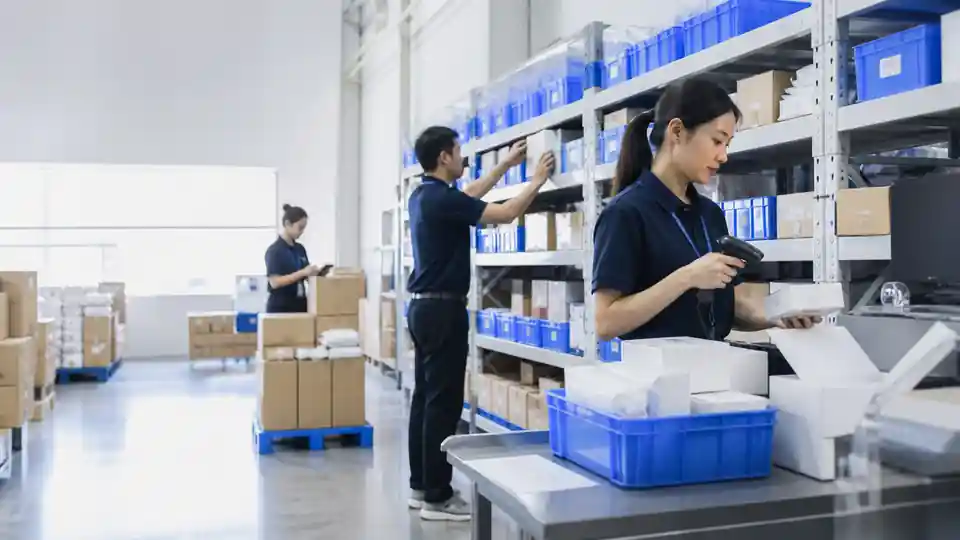
Organized warehouse receiving, inventory visibility, and pick-and-pack workflow

Illustrative warehouse and inventory visibility supporting platform and status decisions.

01

Shopify Dropshipping Integration

Map products, variants, order fields, payment conditions, fulfillment states, tracking return, cancellation, refund, and exception ownership into one workflow.

02

WooCommerce Dropshipping Integration

Define which system owns product mapping, incoming orders, holds, cancellations, stock, dispatch, tracking, returns, and correction when records disagree.

03

TikTok Shop Dropshipping Integration

Set readiness gates for product approval, supplier capacity, order release, fulfillment speed, stock signals, delivery evidence, stop rules, and recovery.

04

Dropshipping Agent FAQ

Find concise answers about supplier sourcing, quality control, order automation, packaging, shipping, warehousing, integrations, pricing, and how to begin.

06

Contribution and commitment

Economics, risk, brand, and growth

Scale only after order economics, repeated failure exposure, inventory commitment, customer recovery, service complexity, and the brand promise are visible. Growth must be supported by the operating system behind it.

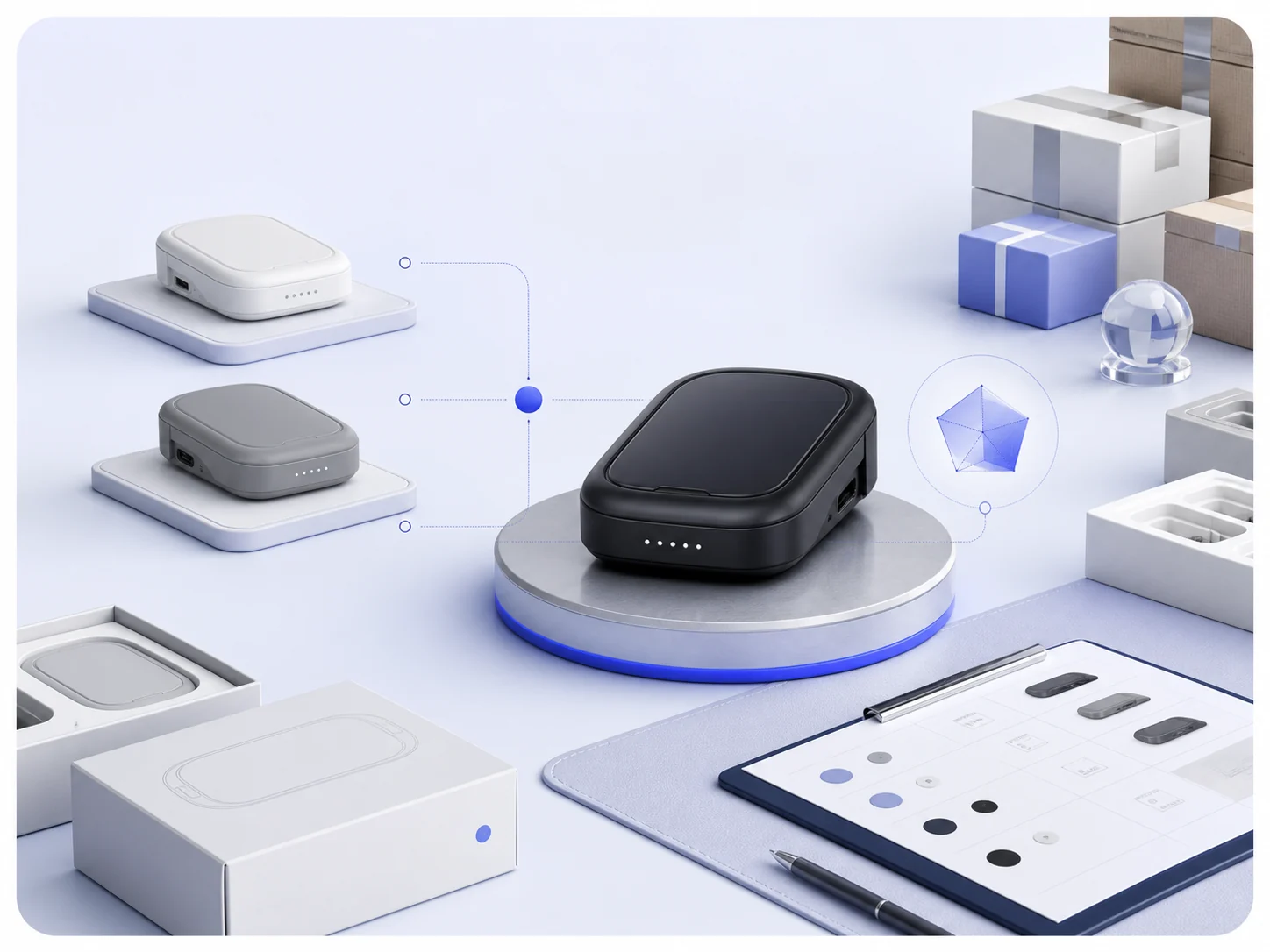
Private label packaging samples, artwork proof, and packing specification workbench

Illustrative packaging and version-control workbench showing one type of evidence behind brand commitment.

01

Dropshipping Unit Economics and True Order Cost

Assign product, China-side preparation, delivery, platform, acquisition, support, refund, replacement, return, and expected loss to the same order.

02

Dropshipping Risk Management

Connect supplier, product, order, packing, shipping, customer, and financial failure modes to early signals, control points, evidence, owners, and fallbacks.

03

Dropshipping Agent Pricing and Quote

Understand how scope, supplier count, inspection, packing, inventory, shipping, platform, support, and exception responsibility affect a usable quote.

04

Why AIDrop Agent

Evaluate the China-side coordination layer through management attention, time, cash exposure, evidence quality, inventory commitment, and recovery responsibility.

Article library

Use focused routes when the question gets specific.

This editorial layer groups live guides by decision so each article can answer one search problem without repeating the entire Hub.

01 / Understand the model

Fundamentals and responsibility

Define the model, the role boundary, and the control the store keeps.

02 / Approve the item

Product, supplier, and quality

Turn an offer into a reproducible product and evidence trail.

03 / Move the order

Fulfillment and logistics

Connect the usable order to preparation, route, status, and recovery.

04 / Connect the store

Platforms and operating data

Choose integrations by field and status ownership instead of connector claims.

05 / Protect contribution

Economics and risk

Model the order and its normal failure exposure before scale.

06 / Increase commitment

Brand and growth

Add packaging, inventory, and service complexity only after the evidence supports it.

How the system connects

Six outputs should survive every handoff.

The visible result of one stage becomes the usable input of the next. When that connection is missing, the store absorbs the work through rekeying, manual checks, support, refunds, or recovery.

01 / Offer

Product truth

Approved requirement, allowed variation, customer promise, policy, and commercial boundary.

02 / Supplier

Comparable evidence

Quote basis, sample, capacity, MOQ, payment, timing, packing, and excluded assumptions.

03 / Release

Approved reference

Inspection point, tolerance, affected quantity, owner, and release or hold record.

04 / Fulfillment

Usable order and status

Mapped SKU, order fields, inventory state, packing version, dispatch, tracking, and hold.

05 / Delivery

Route and fallback

Packed-product fit, destination, service promise, customs exposure, tracking, and recovery path.

06 / Learning

Closed exception

Customer remedy, inventory disposition, upstream recovery, root cause, prevention, and next review.

Frequently asked questions

Questions about the Dropshipping Knowledge Hub

The Hub organizes published operating guidance. It does not replace product-, market-, platform-, legal-, tax-, or policy-specific due diligence.

The Guides page is a curated entry point. The Hub is the complete topic system: it explains the operating model, connects the major decision layers, groups published content, and routes readers to detailed guides, services, platforms, comparisons, and FAQ answers.


No. Use the quick route or sticky topic navigation to enter through the current constraint. If the business is new, start with Fundamentals. If a repeated failure is already visible, enter through the product, fulfillment, store, or economics cluster that owns the missing evidence.

A useful topic cluster should lead from understanding to action. Service and platform pages show where operating decisions become product briefs, QC records, order fields, fulfillment states, shipping events, inventory choices, and recovery workflows.

No. It organizes the decisions and evidence needed to evaluate the model. Product legality, demand, platform policy, taxes, margins, supplier capability, delivery feasibility, and customer obligations still require product- and market-specific due diligence.

Map one real operating path

Bring the product, destination, promise, and repeated failure.

AIDrop Agent can identify the missing requirement, evidence, owner, fallback, and next decision across the China-side operating path.