

Dress dropshipping means selling dresses while a supplier stores and ships the selected garments. For a small store, the strongest starting point is a narrow occasion and a few well-understood styles—not a catalog full of dresses with uncertain fit. Choose a supplier route, verify the garment measurements and fabric, then price delivery and likely remedies before publishing.
A shopper buying a relaxed weekend dress needs different information from someone buying a fitted party dress. Both may ask “Will it fit?”, but the important measurements, lining and delivery expectations differ. Build the range around those questions and you give the customer a reason to buy beyond an attractive photograph.
The supplier pages in this guide were checked on October 13, 2026. The measurement and cost examples are hypothetical. They explain a selection method, not a tested fit result or supplier quotation.
01
Pick an occasion before picking twenty styles
Start with one useful promise: comfortable everyday dresses, modest office styles or occasion dresses for a defined audience. Describe the buyer’s setting, preferred length and fit in a sentence. Then choose styles that serve it without needing contradictory size advice.
For an everyday range, pockets, movement and wash care might matter most. For a fitted evening style, bust and hip room, lining, closure and transparency deserve more attention. A wedding dress brings a deadline and alteration questions; our separate wedding dress guide handles that higher-stakes occasion.
Limit the first range to a few styles you can sample and explain. Three verified silhouettes can make a more useful store than thirty copies of supplier descriptions. You can add colors or another cut after real orders show which question customers still cannot answer.
Our clothing dropshipping guide covers the overall sourcing and store setup. Here, the task is choosing and describing a dress that fits the customer’s actual use.
02
Compare supplier routes by the work you need done
The supplier’s name should follow the job. Ready-made catalog dresses, sourced garments and custom-designed production require different preparation.
| Route | A useful starting point | Work left for your store |
|---|---|---|
| Connected ready-made catalog | Shewin’s current dress and plus-size categories | Verify each SKU’s stock, origin, measurements and account terms |
| Clothing wholesaler offering a dropship category | Tasha Apparel as a route to investigate | Confirm actual live dress availability and the current fulfillment arrangement |
| China-side sourcing coordination | AIDrop for a specified style and fulfillment scope | Supply the specification and approve samples, cost and packaging |
The checked Shewin plus-size category contains dress listings and describes China and US sourcing. A category-wide size claim does not establish the size range of each dress. Record the specific style’s available sizes and dispatch origin.
The checked Tasha dropshipping plus-size dress page returned zero products despite describing the category. It is a supplier lead to contact, not evidence of an in-stock range you can immediately launch. This is one reason to inspect live products rather than relying on a listicle of supplier names.
Request the same information from each route: style code, selling quantity, exact size chart, fabric and lining, stock state, origin, destination freight and remedy terms. For a broader channel comparison, see clothing dropshipping suppliers.
03
Explain body measurements and garment measurements
A body measurement describes the person. A finished garment measurement describes the dress. The difference helps determine how tightly or loosely it will sit, but fabric stretch, cut and construction also matter.
Imagine a woven dress with a finished bust circumference of 104 cm and a customer with a 100 cm bust. The difference is 4 cm of room around the body. That is an illustration of wearing ease, not a universal recommendation: a rigid fitted style and a relaxed stretchy style should not use the same fit rule.

Ask how the supplier measured the garment. If the chart gives a flat chest width, a 52 cm reading might correspond to approximately 104 cm around only under that stated method. Do not silently double a number described as a body circumference.
| Dress construction | Measurements to explain first |
|---|---|
| Fitted woven style | Bust, waist, hip, closure and finished length |
| Relaxed shift | Bust room, shoulder shape, sleeve and length |
| Wrap style | Intended overlap, waist adjustment and coverage |
| Stretch bodycon | Body chart, stretch behavior, lining and length |
Measure a sample using a repeatable method and compare it with the supplier’s stated method and tolerance. Use a photo showing where the tape sits. If the chart and garment disagree, ask for corrected specifications before rewriting the chart yourself.
On the product page, include the customer’s decision in ordinary words: “This chart gives garment measurements. Compare the bust and length with a similar dress you own.” Add that instruction only when it matches the actual chart and garment.
04
Treat plus-size fit as its own product question
A larger label is not evidence that a style has been graded well for a different body shape. Check how bust, waist, hip, armhole and sleeve room change across the sizes you want to sell. A supplier’s broad range can contain styles with much narrower availability.
For a curvy fit, a dress may have sufficient bust circumference but too little upper-arm room, or adequate hips but an uncomfortable closure. Request the relevant measurements and sample representative sizes where your planned audience makes that necessary.
Choose one plus-size style whose cut you can explain honestly. Show the garment’s real shape, the applicable chart and the measurements that decide fit. Avoid promising “fits all body types” or using a single unverified chart across different suppliers.
The first customer questions are useful feedback. If several ask about sleeve room, add that actual measurement and a clear photo. If returns cluster in one size, investigate that variant rather than changing the whole range’s sizing advice.
05
Inspect fabric, lining and what the buyer receives
Read the exact fiber composition and care information. Terms such as soft, premium or breathable are less useful than telling the buyer what the garment is made from and showing how it drapes. Do not invent a blend from the appearance of the photograph.
Inspect the sample in daylight and ordinary indoor light. Check whether the skirt is lined, whether the fabric becomes see-through under realistic conditions, and whether a belt or underslip in the photo is actually included. Look at the seams, closure and hem while the dress moves, not only when it lies flat.

Write a small contents statement: “One dress; belt included” or “Dress only; accessories shown for styling.” It must describe the selected SKU. A product photograph with a jacket and bag can otherwise imply a complete outfit.
Use your own received-item photos when available. An editorial illustration can explain how to compare measurements, but it cannot prove the supplier’s fabric, color or stitching quality. That distinction keeps the page helpful without fabricating evidence.
06
Price returns as part of the dress offer
Take a hypothetical $42 dress: $16 for the garment, $7 for shipping and $1.60 for payment fees leaves $17.40 before returns, acquisition and overhead. Those are teaching figures, not a quote or a market average.
Now suppose an unsuccessful order produces a net loss of $35 after any recovery. Different assumed problem rates change the allowance:
| Planning scenario | Calculation | Allowance per original order |
|---|---|---|
| 6% of orders produce that loss | $35 × 0.06 | $2.10 |
| 15% produce that loss | $35 × 0.15 | $5.25 |
The modeled remainder falls to $15.30 or $12.15 before acquisition and other expenses. This is a sensitivity check, not a claim that dress stores have either return rate. Replace the assumptions with your own results as orders accumulate.
Obtain the supplier’s current policy for wrong items, defects, fit and change of mind. Ask who pays return shipping and where an authorized return goes. If your store offers a broader remedy than the supplier reimburses, include the difference in your model.
Do not fix an unprofitable offer by hiding delivery costs until checkout. Compare the total the customer pays and the amount you keep. A clear delivered offer can be a better test than an artificially low headline price.
07
Use the first fit problem to improve the page
When a customer says a dress does not fit, ask which part fails and how they selected the size. With consent, gather the relevant measurement information and compare it with the ordered variant and stated chart. Avoid asking for unnecessary personal images.
Separate three possibilities: the wrong variant was sent, the garment differs from its specification, or the buyer reasonably misunderstood the fit information. Each suggests a different fix—order mapping, supplier quality correction or clearer sizing guidance.
Update the affected page with the specific missing answer. Adding a genuine sleeve measurement helps more than expanding the description with another paragraph about confidence and elegance. Record the change and see whether the same question keeps recurring.
If you need a supplier to work from a defined style, ask AIDrop to review the sourcing and sample scope. Send the silhouette, size range, fabric requirements, target destination and reference details. That makes the discussion concrete enough to compare samples and fulfillment costs.
08
Questions about a first dress range
Should I sell dresses from several suppliers at once?
Only when you can maintain each style’s measurements, delivery and remedies separately. A single store chart or shipping promise can be misleading across different constructions and dispatch origins.
Is an S–XL chart enough?
The labels need usable measurements and a clear explanation of what those numbers mean. Customers cannot reliably infer fit from a letter shared by unrelated brands.
Can I advertise every dress as lined?
Check each SKU and the sample. A catalog photograph does not prove a lining exists, and an accessory worn underneath may not be included.
How many styles should I launch?
Use the number you can verify and explain well. A small coherent range with confirmed samples, costs and size information is a sounder trial than a large import whose basic questions remain unanswered.

Clothing Dropshipping: Sizes, Variants, Samples and Returns
Verify apparel sizes, variants, samples, labels and returns before launch. Build a clothing dropshipping offer around accurate
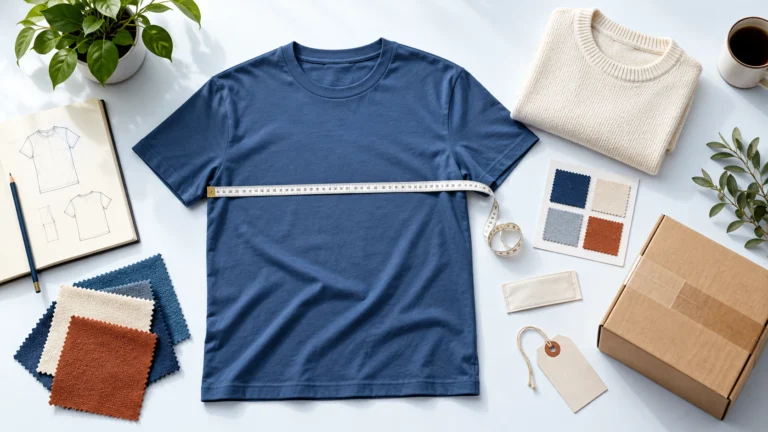
Clothing Dropshipping Suppliers: 5 Options for Different Stores
Compare Trendsi, Printful, Printify, Apliiq and BrandsGateway by clothing model, fit information, stock, shipping and return costs.
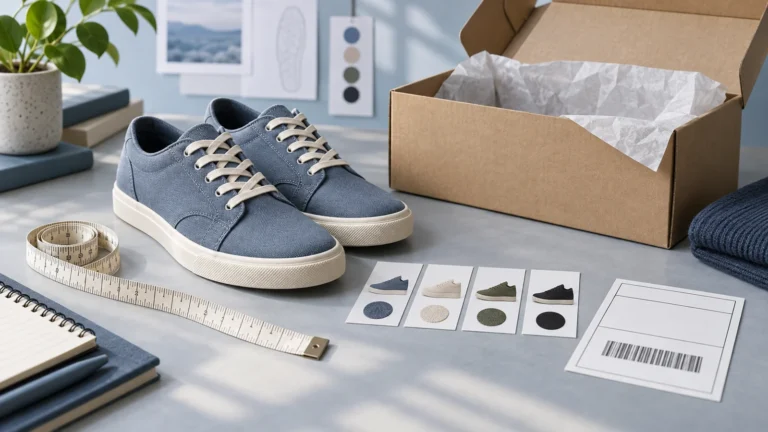
Shoe Dropshipping: Sizing Evidence, Variants and Return Exposure
A shoe listing needs model-specific fit evidence, exact size-color stock and a workable exchange route. Compare one
